Finn Church Aid launches new project to transform early childhood education in Uganda
Finn Church Aid (FCA) in partnership with UNICEF, has launched a new initiative to improve access to Early Childhood Care and Education (ECCE) in Uganda. The project, Alternative Strategies for Promoting Integrated Response to Early Childhood Development (ASPIRE), will serve both refugee and host communities in the districts of Kikuube and Kyegegwa in western Uganda.
ASPIRE aims to strengthen cognitive development, enhance school readiness, and lay a foundation for lifelong learning, ensuring that no child is left behind.
The project is expected to significantly expand ECCE coverage for children aged 0–5 in the targeted districts.
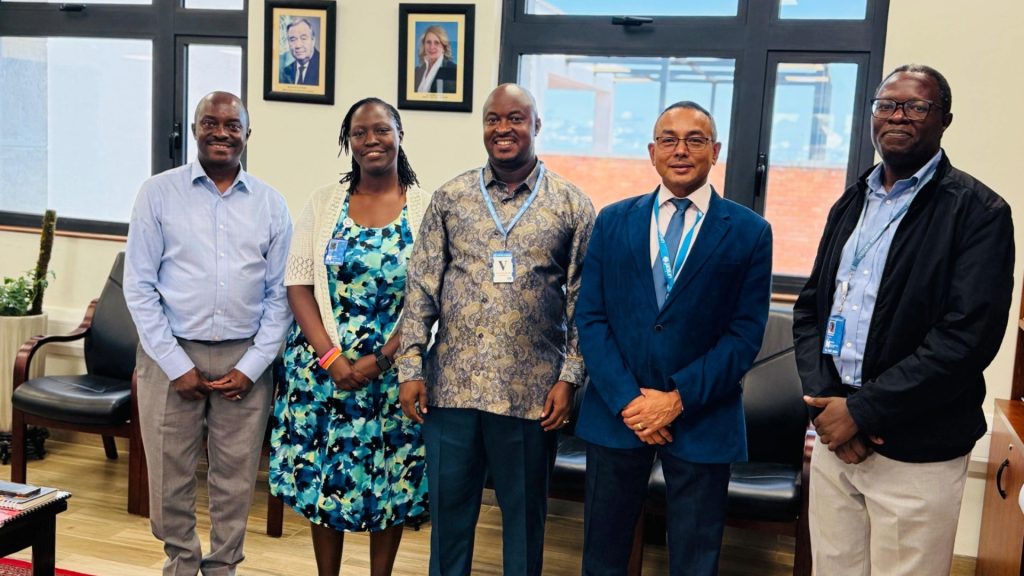
“We greatly appreciate UNICEF’s support, which has been instrumental in advancing quality Early Childhood Care and Education in Uganda,” said Wycliffe Nsheka, Country Director of Finn Church Aid Uganda.
“FCA has previously collaborated with UNICEF on other Early Childhood Development projects, and this ongoing partnership is vital to our shared goals.”
He further emphasized the importance of the ASPIRE project:
“Every child deserves a strong start in life. Through ASPIRE, we are creating inclusive and accessible early learning environments that give children, regardless of their background, the opportunity to thrive. This project is a step towards equity in education, especially for refugee and host communities.”
Addressing the early learning crisis
According to the 2022 Uganda Demographic and Health Survey, only 29% of children aged 3–5 years are enrolled in ECCE, a decline from 37% in 2016. Alarmingly, only 9% attend licensed Early Childhood Development (ECD) centers, leaving many without foundational learning during critical years of development. Uganda is therefore facing significant challenges in ensuring that young children have access to quality early learning opportunities.
The ASPIRE project adopts a multi-sectoral approach to close this gap, focusing on increasing access, building local capacity, and promoting inclusive, sustainable ECCE services.
Key interventions
ASPIRE will implement several targeted interventions:
- Capacity building for ECCE teachers, caregivers, and district officials.
- Establishing safe and stimulating play areas and deploying mobile ECD kits to reach remote communities.
- Parenting sessions using the Ministry of Gender, Labour and Social Development (MoGLSD)’s national parenting manual.
- Promotion of child protection, disability inclusion, and psychosocial support to ensure safe learning environments.
- Use of child-friendly learning resources, including videos, to enrich early learning experiences.
Strengthening partnerships and collaboration
The project will work with Centre Management Committees, parents, and local leaders to raise awareness about the value of ECCE.
Recognising the critical role of community support and foundation bodies, FCA will also partner with Faith-Based Organisations, including the Uganda Episcopal Conference (UEC), Church of Uganda (CoU), and the Uganda Muslim Supreme Council (UMSC), to strengthen community-led early learning solutions.
FCA will also closely collaborate with national and local government stakeholders, including the Ministry of Education and Sports, and the Office of the Prime Minister.
District Education Officers and Community Development Officers will take the lead in planning, supervising, and scaling ECCE services within their jurisdictions especially in refugee hosting districts.
A timely response to emerging funding gaps
The ASPIRE project comes at a critical time when the humanitarian response in Uganda is under increasing pressure due to reductions in international support, including recent cuts by the United States.
The initiative provides a timely and much-needed intervention to safeguard early learning opportunities for the country’s youngest and most vulnerable children, ensuring they receive the foundational education essential for future success.
—
Text and Images: Linda Kabuzire