FCA Uganda strengthens Complementary Pathways through mission to Italy and Spain
Finn Church Aid (FCA) Uganda, in partnership with Talent Beyond Boundaries (TBB) and under the UNHCR Complementary Pathways framework, with support from Kepler and the DICE project conducted a strategic mission to Italy and Spain from 27th January to 06th February.
The aim of the mission was to learn from ongoing labour mobility and education programmes and to explore opportunities for expanding structured pathways that link refugees to education and employment.
FCA Uganda is currently implementing the Complementary Pathways project that supports refugees to access scholarships, vocational training, and employment opportunities abroad.
The FCA team was represented by Diana Berocwiny and Dennis Wamimbi.
They met with municipal authorities, universities, vocational training centres, employers, and humanitarian actors in both Italy and Spain to explore models that link refugee inclusion with local labour markets and regional development priorities.
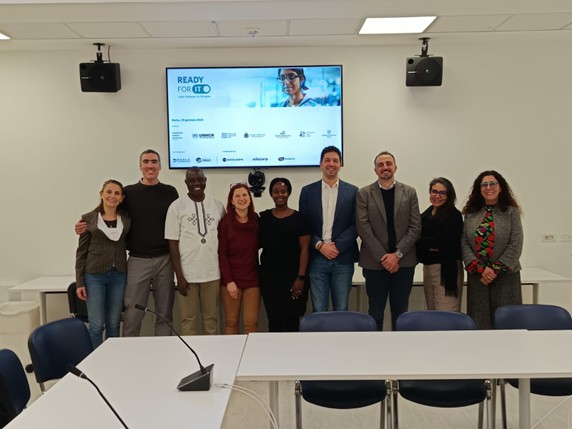
Discussions focused on a central question: “How can complementary pathways address labour shortages, strengthen local systems, and provide durable solutions for displaced populations?”
Through site visits and technical consultations, the mission examined practical ways to align humanitarian protection with regional development, particularly in areas facing demographic decline, workforce gaps, and pressure on education systems.
Partners consistently recognized FCA for its role in preparing candidates, coordinating stakeholders, and ensuring pathways are both protection-sensitive and responsive to labour market needs.
Advancing labour mobility and education in Italy
In Turin and Rome, the team engaged municipal leaders, employers, and partners to strengthen labour mobility and higher education pathways.
Diana and Dennis showcased the Ready for IT pilot being implemented by FCA Uganda as a promising and scalable model.
They also explored strategies to ensure its long-term sustainability, including the introduction of an Income Share Agreement that would enable graduates to contribute toward supporting future cohorts.
The Turin Municipality announced “From Kampala to Turin,” a new initiative funded by the Mayor’s Migration Council to provide structured, end-to-end labour pathways for Ugandan candidates.
A municipal delegation is scheduled to visit Uganda in July 2026 to advance the project.
Employers expressed strong demand for skilled refugee talent in ICT, hospitality, and transportation and lauded FCA for preparing candidates thoroughly.
In Rome, the team met UNHCR Italy Country Representative Mr. Chiara Cardoletti and local employers, who all commended FCA for the quality of candidates and the organisation’s coordination as Uganda presents highest departures to Italy across Africa.
Partners highlighted the importance of family reunification, particularly for female applicants. Diaconia Valdese also acknowledged the high engagement and professionalism of Ugandan candidates in educational and workplace settings.
FCA also met alumni from the UNICORE and Ready for IT programmes across Turin, Rome, Naples, and Milan. FCA supported these alumni in accessing scholarships and employment opportunities.
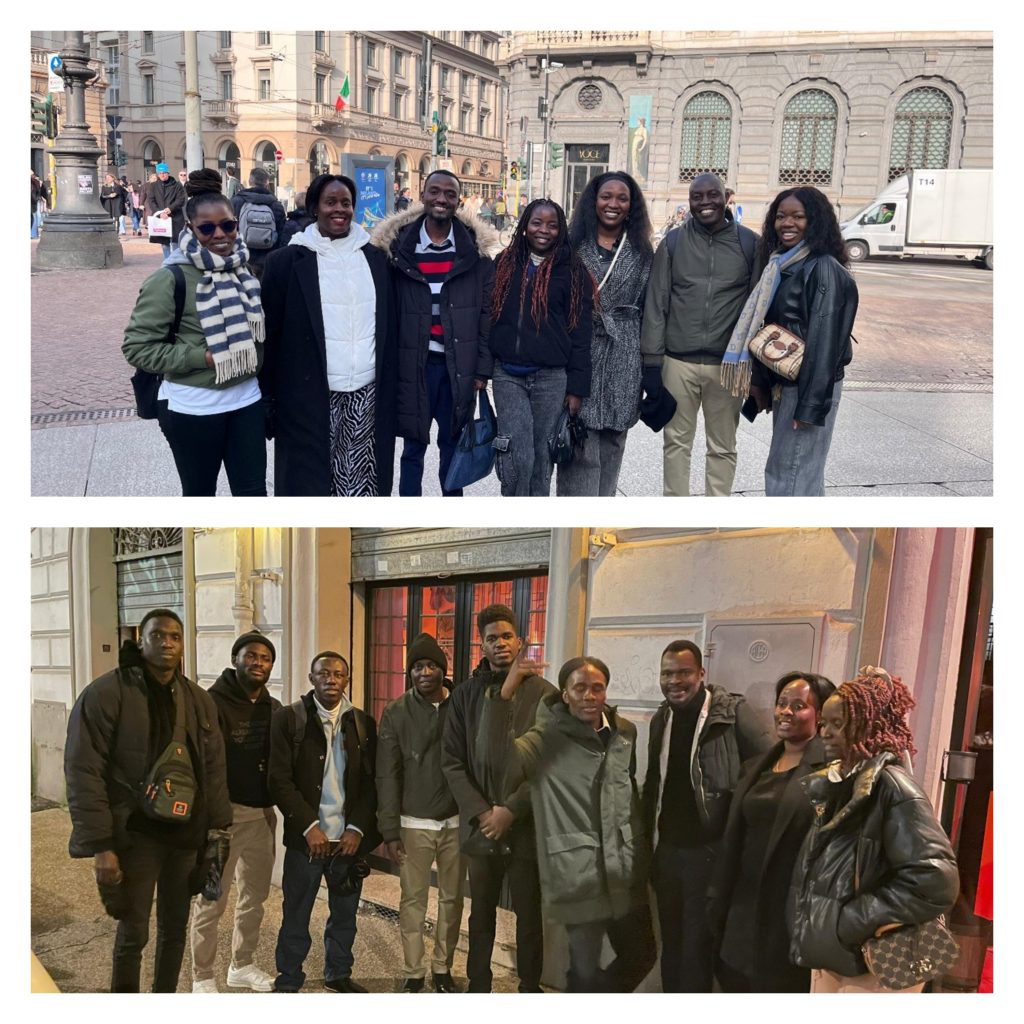
They shared how they have successfully integrated into their communities, highlighted employer satisfaction, and emphasized the need for stronger links between education and employment. They commended FCA and partners for their support with housing, documentation, mentorship, and community integration.
Expanding skills and opportunities in Spain
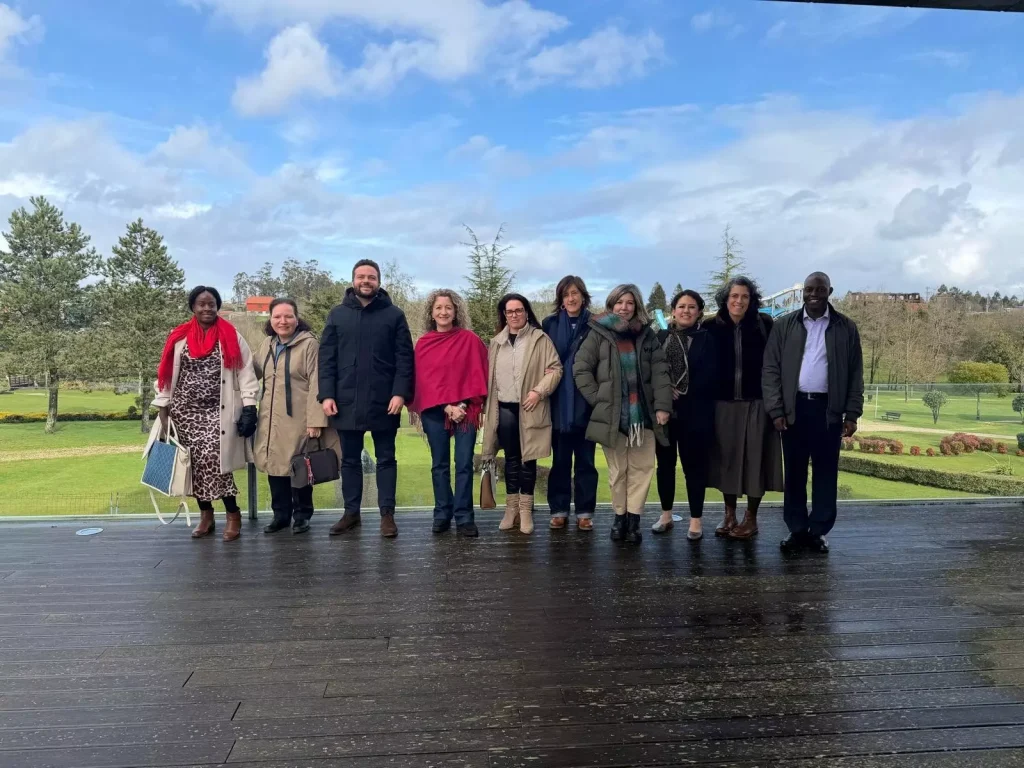
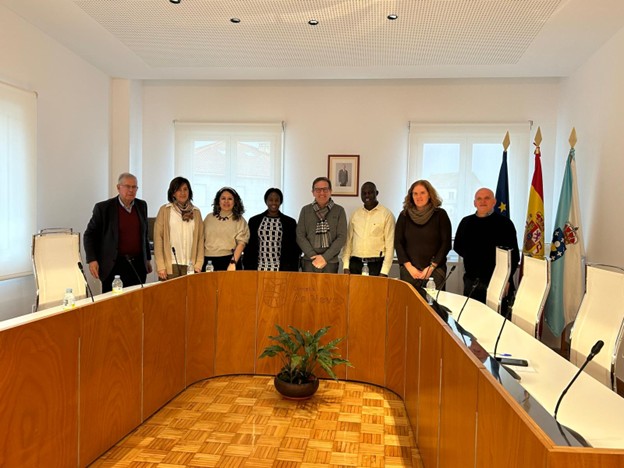
In Galicia, the team met with Mayor Juan Manuel Rodríguez García, and the Mayor of As Naves, José Manuel Alfonso González.
They also engaged with officials from Vigo Zona Franca, the Association of Rural Businesswomen (ASER), the University of Santiago de Compostela, and the EFA vocational training centre.
Discussions focused on labour needs in agriculture, tourism, renewable energy, construction, logistics, and social services, especially in rural areas facing population decline.
Read more about the visit in Spain’s newspaper: https://bisbarra.es/actualidade/aser-abre-novas-vias-de-cooperacion-internacional-para-impulsar-o-emprego-no-rural/
Escuelas Familiares Agrarias de Galicia (EFA) introduced the FCA team to a new initiative, ‘Asentar,’ which will be piloted in Uganda in partnership with FCA, UNHCR, and TBB. The initiative combines vocational training, work experience, and family-based settlement to address labour gaps while strengthening rural education systems and local economies.
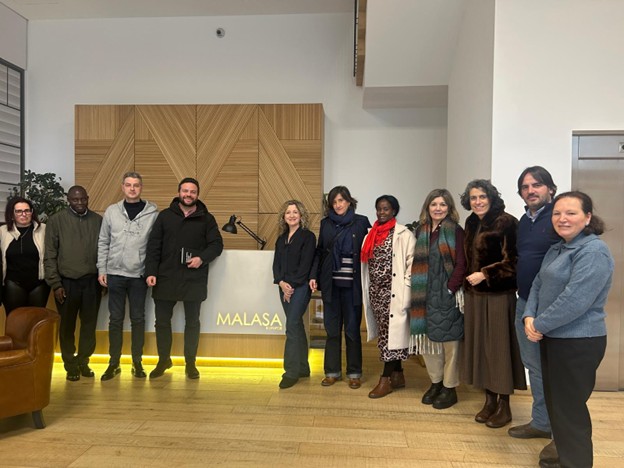
FCA’s “Linking Learning to Earning” approach was highlighted as a model for safe, structured pathways that benefit refugees and host communities.
Looking ahead
The mission reaffirmed that complementary pathways are not only protection measures, they are strategic tools for sustainable development. When aligned with labour market needs and supported by strong partnerships, these programmes help refugees gain skills and employment while contributing to local workforce renewal and community growth.
FCA will continue collaborating with municipal authorities, employers, and academic institutions to scale safe, structured, and sustainable pathways that create lasting benefits for both refugees and host communities.
—-
Text: Linda Kabuzire/FCA