More Than Teaching: How Teachers in Kyangwali are Investing in their Future.
When I visited Kyangwali Refugee Settlement in Western Uganda, I wanted to find out what two years of the BRIGHT Project had changed for teachers and their schools.
Beyond the activities and training sessions, what was different? Were teachers applying what they had learnt? Were schools benefiting from the support?
During my visits, I met teachers who were putting their new knowledge and skills into practice. Some were encouraging their colleagues to return to school and upgrade their qualifications.
Others were applying financial management skills, saving together and investing in activities to support their welfare.
The changes were not limited to the teachers who directly participated in project activities.
In some schools, the knowledge was being passed on to colleagues, while savings were helping teachers pursue further studies and start small income-generating activities.
The BRIGHT Project
The Building Resilience, Inspiration, and Growth Holistically for Teachers (BRIGHT) Project is supported by the European Union and Global Gateway under the Regional Teachers Initiative for Africa (RTIA).
It has been running in Kyangwali for the past two years, focusing on teacher recruitment, retention, professional development and welfare.
The project is implemented by Finn Church Aid (FCA) Uganda in partnership with Expertise France.
Through mentorship, capacity-building, financial literacy training, support to teachers’ savings and loans groups and teacher salary payments, BRIGHT has worked with schools to address some of the challenges teachers face.
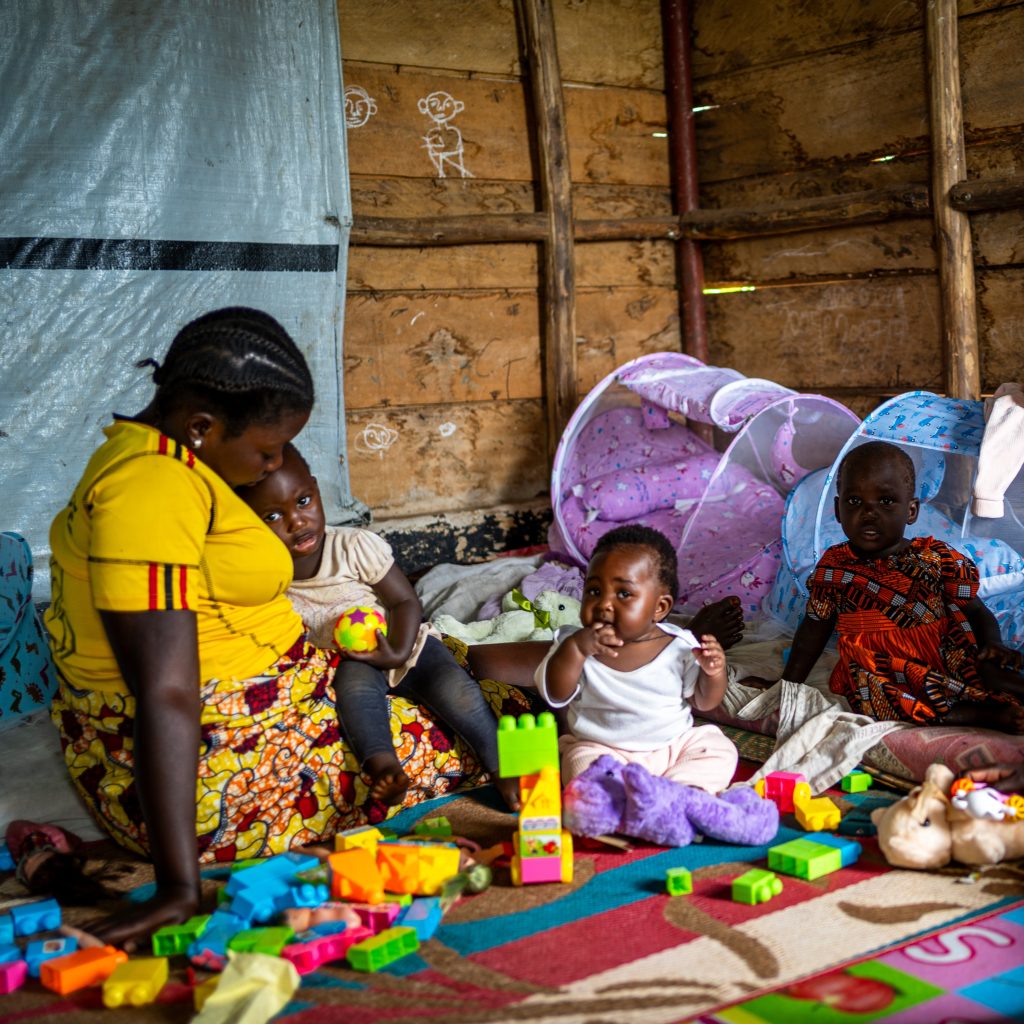
The project also has established child-friendly spaces where teachers can leave their young children in a safe and supportive environment for learning and play while they attend to their teaching responsibilities.
A headteacher’s mentorship inspires six teachers to further their studies
At Rwenyawawa Primary School, Headteacher Birungi Rosemary has made mentorship part of how she supports her staff.
After receiving mentorship through the BRIGHT Project, she began sharing what she had learnt with other teachers, encouraging them to improve their classroom practices and pursue further studies.
“Mentorship has given me knowledge that I can use in my work and share with others. I encourage my teachers to improve their teaching and pursue further studies. I want to see them grow,” she says.
Six teachers at the school have since upgraded their qualifications through degree and diploma programmes.
For Rosemary, supporting teachers to grow professionally is part of her responsibility as a headteacher.
Rwenyawawa is a government-aided school with 2,014 learners, both Ugandan and refugee children.
She says that managing a school of this size has also made the financial literacy training particularly useful.
“Before, I would spend money without always having a clear plan. Now I prepare a budget, identify priorities and plan before spending. I have learnt that you must plan first,” she explains.
The project has also supported Rwenyawawa by paying the salaries of four teachers, helping the school address staffing gaps.
From savings to gardens and poultry farming
At Rwenyawawa, teachers are also using their savings to meet some of their everyday needs and invest in activities that can generate income.
Through BRIGHT, each supported school’s teachers’ savings and loans group received UGX 5 million to strengthen its savings and lending activities.
At Rwenyawawa, teachers used UGX 1.5 million from their savings group to establish a garden where they grow maize and beans to supplement food for teachers.
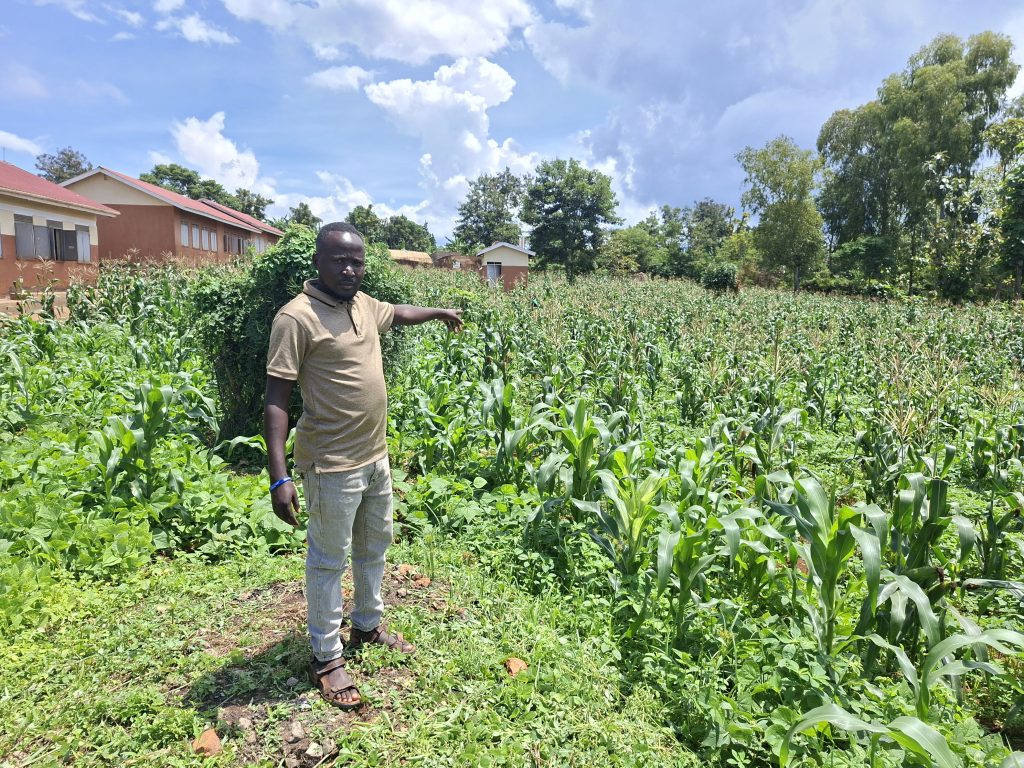
They have also started a piggery.
Female teachers have formed a separate group where they meet, exchange ideas and discuss issues affecting them.
The group gives them an opportunity to support one another beyond their daily responsibilities at school.
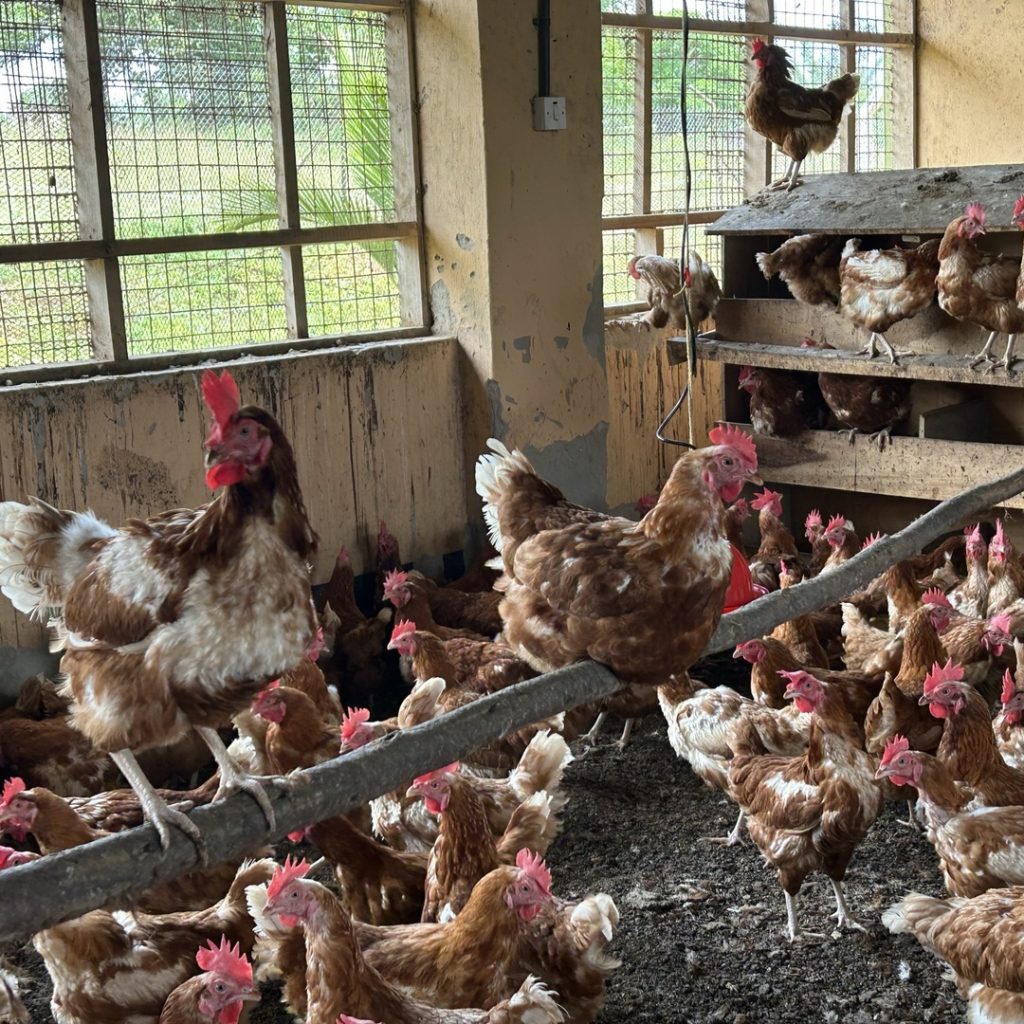
At Malembo Primary School, the savings and loans group is helping teachers finance their education and invest in poultry farming.
Headteacher Steven Abed Mukulu says three teachers have borrowed from the group to further their studies.
“Three of our teachers have borrowed from the group to complete their degrees in education. We have also started poultry farming. We currently have 60 birds. We sell eggs and birds, and the money goes back into the group,” he says.
For Steven, the benefits extend beyond the money available to teachers.
He says the project has also helped address staffing challenges through the recruitment of teachers and support towards their salaries.
Teachers have received capacity-building support, including Training in Crisis Contexts (TICC), which equips them with skills to teach in challenging learning environments.
He has also put the financial literacy lessons into practice in managing the school.
“I have learnt to plan, prepare budgets and manage the resources available to the school.
These skills help me make better decisions about how to use the resources we have,” he says.
Passing the lessons on
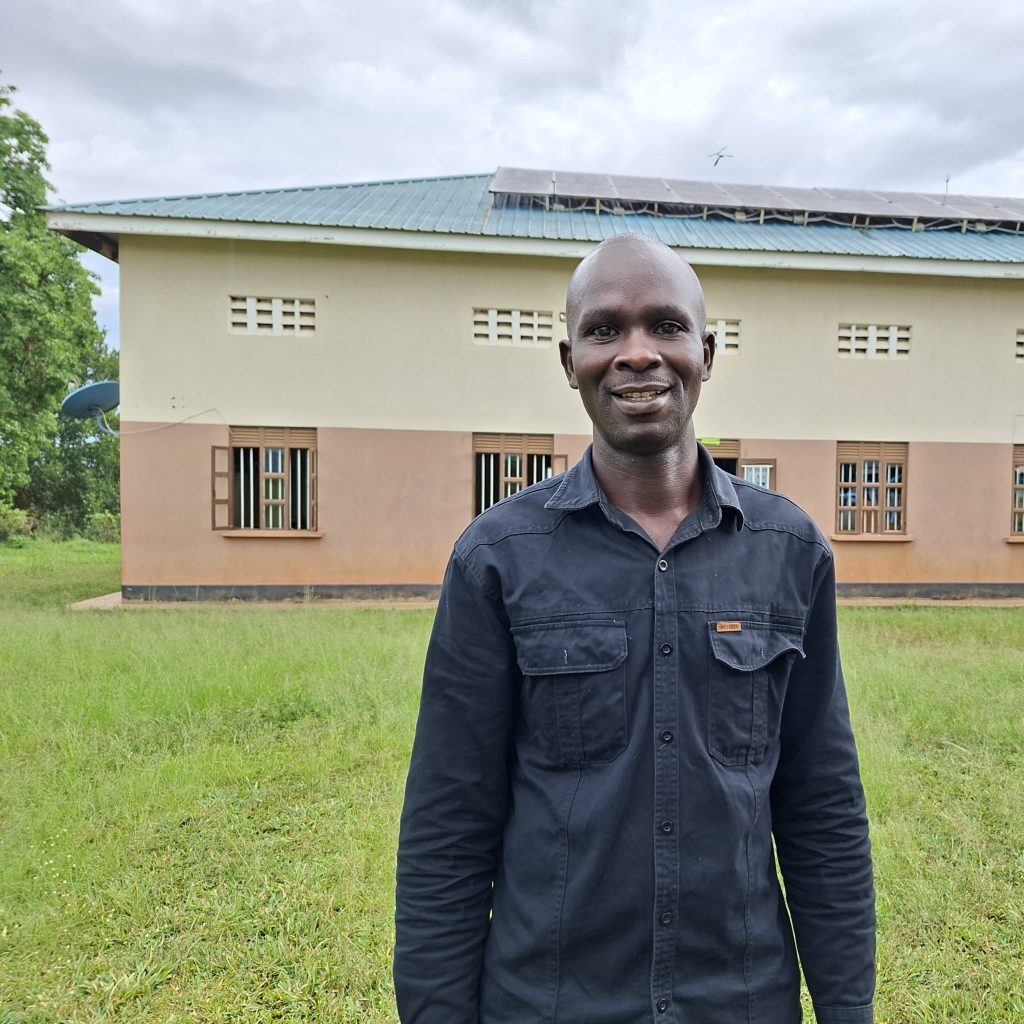
At Nyamiganda Primary School, Teacher Beatrice Nyangoma has also received mentorship and capacity-building support.
Like Rosemary, she has taken the knowledge beyond her own work and shares it with other teachers.
“Mentorship has helped me learn new ways of supporting teachers. I share this knowledge with my colleagues because we all have something to learn from one another,” she says.
Two Years of BRIGHT Project
- 325 teachers trained in financial literacy.
- 158 trained to teach in crisis settings.
- 21 teachers’ savings and loans groups established and supported.
- 30 teachers recruited and supported through salary payments.
- 21 school-based baby care centers established.
Read more about the BRIGHT Project: Finn Church Aid launches BRIGHT project to support teachers in crisis contexts – FCA Uganda
—
Text/Images: Linda Kabuzire /FCA