A partnership between Finn Church Aid (FCA), Amahoro Coalition and Menzies Aviation is connecting refugee talent to specialized training and potential employment opportunities in the aviation industry.
For refugee youth in Uganda, accessing specialised training and employment opportunities in industries such as aviation can be challenging.
A partnership linking skills development to private-sector opportunities is creating new pathways for young people to explore careers in the industry.
Through a collaboration between Finn Church Aid (FCA), Amahoro Coalition and Menzies Aviation, refugee youth are undertaking specialised aviation training, developing professional competencies and preparing for potential employment opportunities.
Among the participants are Hanin Ajok Ajang, originally from South Sudan, and Fidele Hategeka from the Democratic Republic of Congo.
Hanin is undertaking Airline Customer Service training, while Fidele is specialising in Air Cargo Services.
Meet some of the young people preparing for careers in aviation
For Hanin, the opportunity comes after a period of searching for ways to continue her education and build a career.
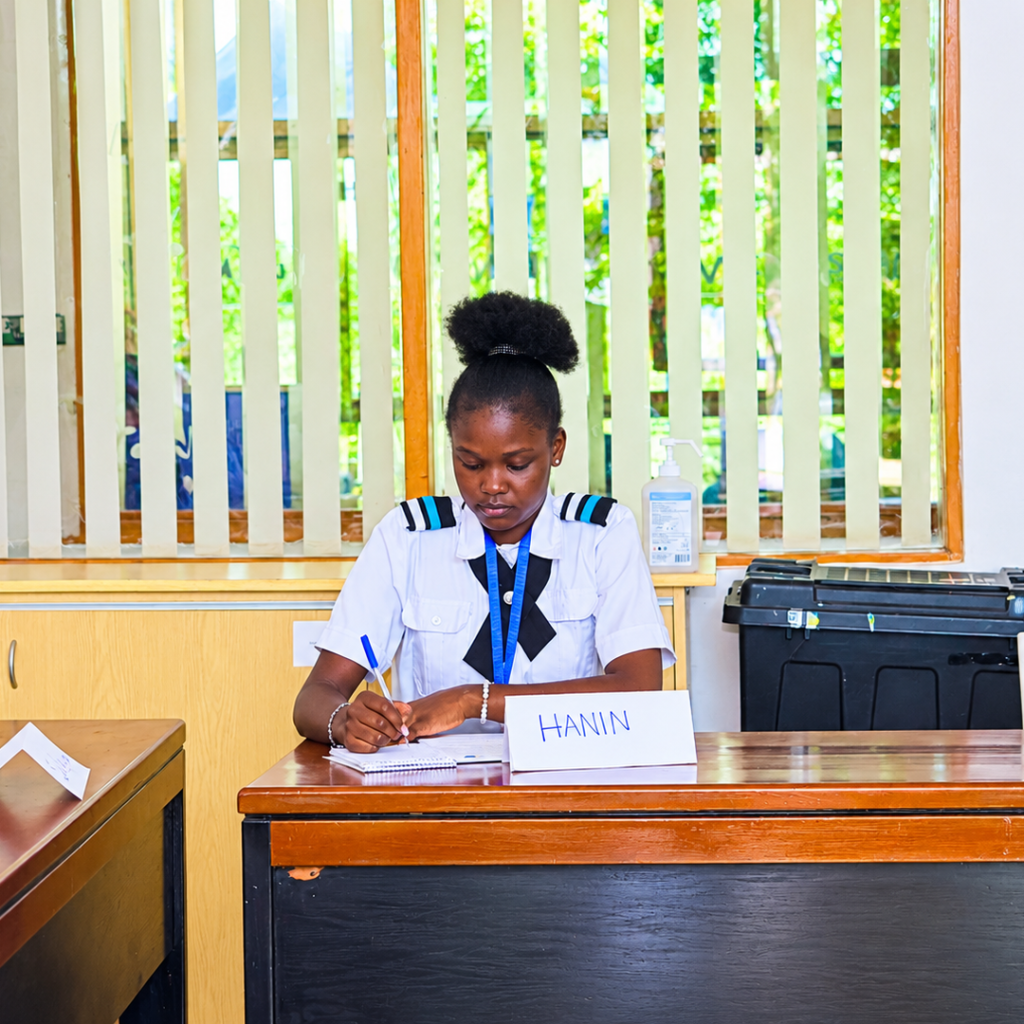
After completing secondary school in 2024, she spent almost a year looking for opportunities to move forward.
She connected with FCA in September 2025 and participated in the FCA-Kepler ITEME training, which strengthened her skills in CV writing, email communication and scholarship applications.
When she applied for the aviation opportunity, she did not expect to be selected.
“I had been looking for an opportunity to move forward after completing secondary school. When I applied for the aviation training, I did not expect to be selected. I was surprised and excited to be among those chosen,” says Hanin.
She began Menzies Aviation’s Airline Customer Service training on 1 October 2026.
She hopes to strengthen her confidence and customer service skills, pursue her long-held ambition of becoming a cabin crew member and contribute to her family’s wellbeing and her younger siblings’ education.
Fidele’s interest in aviation is closely linked to his academic and professional interests.
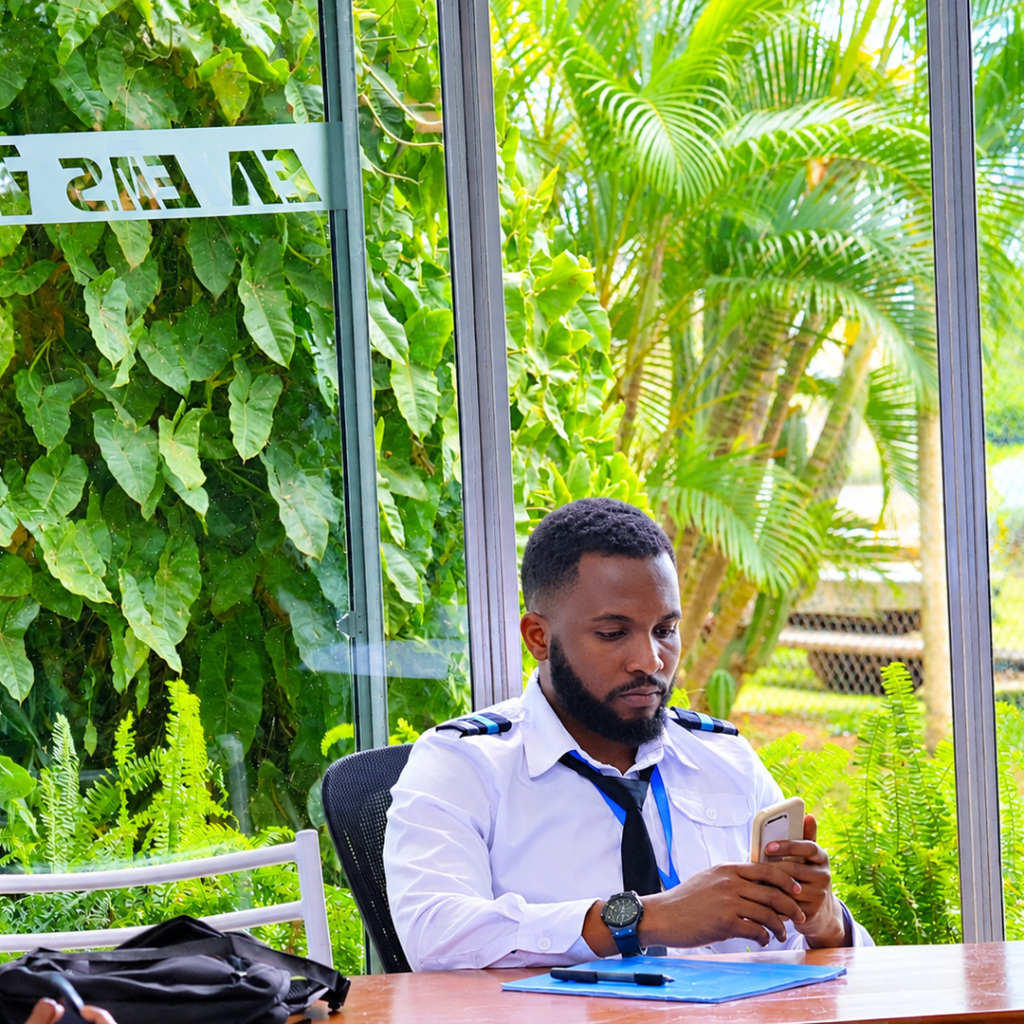
With a background in Business Administration, specialising in Procurement and Supplies Management, he has a longstanding interest in logistics and international business.
His selection for the programme offered an opportunity to explore an industry he had long hoped to enter.
He is undertaking the International Air Transport Association (IATA) Air Cargo Introductory Diploma training delivered by Menzies Aviation, developing knowledge in air cargo operations, handling, documentation and logistics.
“Having an opportunity to train in an industry I have been interested in for a long time is an important step for me. I want to gain the knowledge and practical skills needed to build a career in aviation, support my family and contribute positively to society,” says Fidele.
He hopes to use the skills gained to establish a career in aviation, support his family and contribute positively to society.
A pathway built on partnership
The Aviation Training Programme contributes to FCA’s broader efforts to advance Complementary Pathways and Durable Solutions.
It does this by connecting refugees to skills development and employment opportunities through labour mobility.
The programme also links refugee talent to industry-relevant training, professional competencies and potential employment opportunities.
Each partner plays a distinct role.
FCA supports candidate mobilisation and preparation, Amahoro Coalition facilitates access to the opportunity, while Menzies Aviation delivers specialised aviation training aligned with the needs of the industry.
An important part of this process is preparing candidates before they enter specialised training.
FCA through the Iteme program, supported both Hanin and Fidele with bridging education.
This preparatory phase strengthened their readiness for the next stage of CV writing, email communication and scholarship applications.
The programme demonstrates how bridging education and skills development in the country of asylum can complement specialised technical training.
By strengthening foundational skills before participants transition into industry-specific programmes, the approach supports a more connected pathway from learning to employment.
Three training pathways into aviation
The programme offers three specialised training streams designed to prepare participants for different roles across airport and airline operations.
Each stream has a different duration, learning focus and certification pathway.
Ramp Services – Three-month certificate
This stream prepares participants for airport ground operations and aircraft handling. Training covers:
- Airport ground operations.
- Aircraft ground handling.
- Baggage loading and unloading.
- Aircraft turnaround procedures.
- Ground support equipment.
- Airport safety, security and emergency procedures.
Participants will receive an International Air Transport Association (IATA) Certificate upon successful completion.
Airline Customer Service – Three-month certificate
This stream focuses on passenger-facing roles within the airline industry. Participants, including Ajok Hanin Ajang, will develop skills in:
- Airline customer service.
- Passenger check-in.
- Passenger handling and assistance.
- Travel document verification.
Successful participants will receive an IATA Certificate.
Diploma in Cargo Services – Six-month programme
This pathway prepares participants for roles in air cargo operations and logistics.
The learning areas include:
- Air cargo operations.
- Import and export procedures.
- Cargo handling.
- Cargo documentation.
On completion, candidates will sit the relevant IATA examination and will also be introduced to specialised Dangerous Goods training.
Together, the three streams provide different entry points into the aviation industry, from passenger services and ground handling to cargo operations.
Extending opportunities through practical exposure
Beyond classroom-based training, the programme has also identified an opportunity for two mothers to undertake airport internships free of charge.
The internships would provide practical exposure to airport operations and an opportunity to gain workplace experience in the aviation sector.
This additional opportunity could extend access to the industry and allow more participants to develop practical skills alongside their training.
Connecting learning to earning through partnership
The collaboration between FCA, Amahoro Coalition, Menzies Aviation and Kepler illustrates how different partners can contribute at different stages of a learner’s preparation for employment.
From bridging education and foundational skills development to specialised technical training and private-sector engagement, the approach creates a connection between learning and the world of work.
For refugee youth, these opportunities provide access to professional training and a chance to explore careers in an industry they may previously have found difficult to enter.
Through its Linking Learning to Earning approach, FCA is advancing Complementary Pathways and Durable Solutions by connecting refugee talent to skills, professional networks and potential employment opportunities.
—
Text & Images: Linda Kabuzire / Souzi Osmann /FCA